


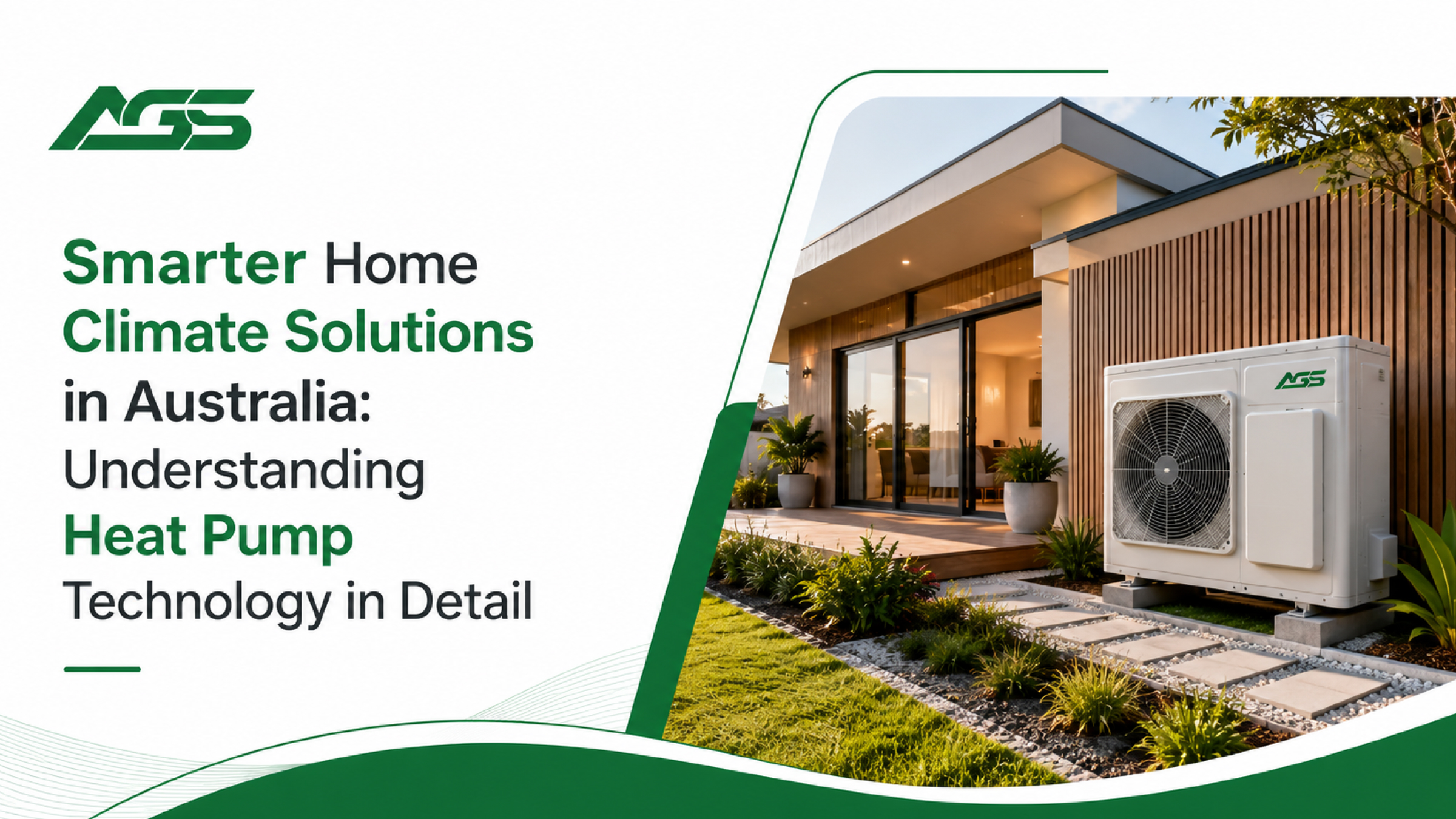
Heat Pumps are now considered one of the most efficient and future-ready solutions for heating and cooling homes in Australia. With rising energy costs and increasing pressure on households to reduce electricity consumption, people are actively shifting from traditional systems toward smarter and more sustainable technologies.
Unlike conventional heating systems that generate heat by consuming high amounts of electricity or gas, heat pumps work on a completely different principle. They transfer heat from one place to another instead of creating it. This simple difference results in much lower energy usage and better long-term efficiency.
In modern Australian homes, especially in regions with changing seasonal temperatures, heat pumps are becoming a preferred choice because they offer both heating and cooling in a single system without excessive running costs.
How Heat Pump Systems Deliver Efficient Comfort
Heat pump systems operate using reverse cycle technology, which allows them to adjust to both winter and summer conditions. During colder months, the system extracts heat from the outdoor air and transfers it indoors to warm the space. During warmer months, it reverses the process and removes heat from inside the home.
This process is highly efficient because it does not rely on generating heat directly. Instead, it uses existing thermal energy from the environment, which significantly reduces electricity consumption.
This efficiency is one of the main reasons why heat pumps are becoming a standard solution for modern energy-conscious households.
Heat Pump Split System and Its Practical Application
A heat pump split system is one of the most commonly installed solutions in residential properties. It consists of two main units: an indoor unit and an outdoor unit that work together to regulate indoor temperature efficiently.
This system is especially suitable for individual rooms or specific zones within a home. Many homeowners use it in bedrooms, living areas, or small office spaces where targeted temperature control is needed.
Key advantages of this system include:
- Efficient heating and cooling for specific rooms
- Lower energy usage compared to whole-house systems
- Flexible installation options
- Reliable performance across different weather conditions
Because of its balance between cost and performance, it is widely used in both new installations and system upgrades.
All in One Heat Pump System for Complete Home Control
An All in one heat pump system is designed for users who want a fully integrated climate solution in a single setup. Instead of managing multiple appliances for heating, cooling, and sometimes water heating, everything is combined into one system.
This type of system is more advanced and is typically used in larger homes or modern buildings where centralized control is preferred.
Main benefits include:
- Single system managing multiple functions
- Reduced maintenance requirements
- Better space utilization
- Improved long-term energy management
It is particularly useful for homeowners who want a simplified yet powerful solution for year-round comfort.
Difference between Heat Pumps and Traditional Systems
Traditional heating systems such as gas heaters or electric resistance heaters generate heat directly, which leads to higher energy consumption and increased electricity bills.
Heat pumps work differently by transferring heat rather than creating it. This results in:
- Lower energy consumption
- More consistent indoor temperature
- Reduced environmental impact
- Better long-term cost efficiency
This fundamental difference is the main reason why heat pump adoption is increasing across Australia.
Key Factors behind Heat Pump Split System Price
The heat pump split system price can vary depending on several important factors. Every home has different requirements, which directly influence the total installation cost.
Important factors include:
- Size of the room or area
- Number of indoor units required
- Installation complexity
- Energy efficiency rating of the system
- Property layout and insulation quality
Although the initial cost may be higher than basic systems, the long-term savings on electricity bills make it a more economical choice over time.
Understanding All in One Heat Pump Price Structure
The All in one heat pump price is generally higher because it combines multiple functions into a single advanced system.
The pricing depends on:
- Multi-function system design
- Advanced technology integration
- Higher capacity performance
- Smart control features
- Installation requirements
Even though the upfront cost is higher, it reduces the need for multiple appliances, which helps in lowering overall long-term household expenses.
Growing Shift toward Energy-Efficient Homes in Australia
Australia is witnessing a strong shift toward energy-efficient living due to rising electricity costs and environmental awareness. Homeowners are now focusing not just on comfort but also on sustainability and long-term savings.
Heat pumps play an important role in this transition because they:
- Reduce overall electricity usage
- Support sustainable living practices
- Provide efficient performance in different climates
- Lower long-term energy expenses
This change reflects a broader transformation in how modern homes are designed and powered.
Importance of Proper Installation and System Design
The performance of a heat pump system depends not only on the technology but also on correct installation and system design.
If the system is not properly installed, it can lead to:
- Reduced energy efficiency
- Uneven cooling or heating
- Higher maintenance issues
- Shorter system lifespan
Proper planning ensures that the system performs at its full potential and delivers consistent comfort throughout the year.
Role of Astra Green Solutions in Modern HVAC Systems
Astra Green Solutions provides tailored heating and cooling solutions designed specifically for Australian homes and commercial spaces. Their focus is on delivering systems that balance comfort, efficiency, and long-term savings.
Their approach includes:
- Proper assessment of property requirements
- Selection of suitable energy-efficient systems
- Professional installation services
- Focus on long-term cost savings
- Solutions adapted to Australian climate conditions
This ensures that homeowners receive systems that are practical, efficient, and future-ready.
How Heat Pumps Fit Into a Complete Energy Efficient Home System
To properly understand the role of heat pumps in modern Australian homes, it is important to look at the bigger picture of home energy efficiency instead of treating heating and cooling as separate systems. A heat pump is highly efficient on its own, but its real performance becomes even better when it is used as part of a well-planned energy strategy that includes insulation, airflow design, room usage planning, and smart temperature control habits.
Modern homes are no longer designed around a single appliance doing all the work. Instead, they rely on a combination of systems that work together to reduce energy waste and improve indoor comfort. This includes efficient cooling systems, proper ventilation, and zoning approaches that allow different areas of the home to be controlled independently based on usage patterns.
In this context, understanding broader concepts like the Energy Efficient Cooling Systems Guide becomes very important. This concept explains how different cooling technologies perform in real-world conditions, how energy consumption changes depending on system type and home layout, and how homeowners can make smarter decisions when selecting HVAC solutions. It also highlights how factors like insulation quality, window positioning, and daily usage behavior directly affect the performance of any cooling or heating system, including heat pumps.
When heat pumps are integrated into this broader understanding, it becomes clear that they are not just standalone devices but part of a complete comfort and efficiency ecosystem. For example, a well-installed heat pump split system can perform significantly better in a properly insulated room with controlled airflow compared to a poorly designed space where energy loss is high. Similarly, centralized systems like all-in-one solutions can deliver much better long-term efficiency when paired with smart usage patterns and proper system planning.
By studying this wider approach, homeowners can avoid common mistakes such as oversizing systems, incorrect zoning, or relying on outdated cooling strategies. Instead, they can build a more balanced and energy-aware home environment that reduces unnecessary electricity consumption while maintaining consistent comfort throughout the year.
Long-Term Value and Future of Heat Pump Technology in Australia
The adoption of heat pump systems in Australia is not just a temporary trend but a long-term shift toward more sustainable and efficient living standards. As energy prices continue to rise and environmental concerns become more important, homeowners are increasingly prioritizing systems that offer both performance and long-term financial benefits.
Heat pumps are uniquely positioned in this transition because they combine heating and cooling in a single efficient system while using significantly less electricity compared to traditional alternatives. This makes them suitable for both new homes and renovation projects where energy efficiency is a priority.
One of the most important aspects of heat pump technology is its adaptability. Whether it is used in small residential spaces or larger family homes, the system can be configured to match different requirements without losing efficiency. This flexibility is one of the key reasons behind its growing popularity across Australia.
Looking forward, heat pump systems are expected to become even more advanced with improved energy ratings, smarter control systems, and better integration with renewable energy sources such as solar power. This will further reduce operational costs and make homes more self-sufficient in terms of energy usage.
In the long run, homeowners who invest in heat pump technology are not just upgrading their heating and cooling system; they are investing in a more efficient, sustainable, and cost-effective lifestyle that aligns with the future direction of modern housing in Australia.
