


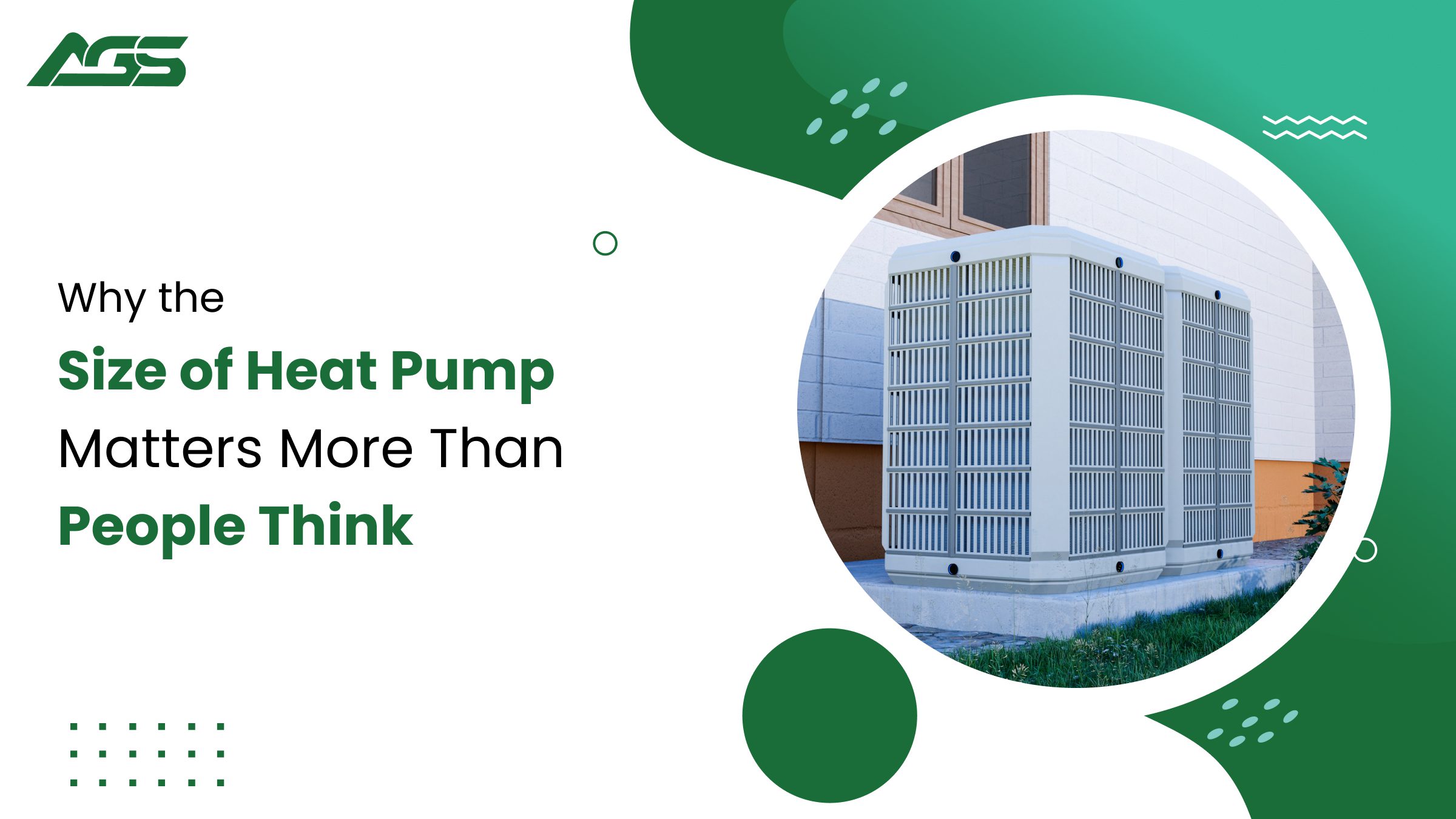
The size of your system affects the overall air flow in your home. Some units are too bulky and only run for a short time before quitting. They never get the job done. Too small a system is constantly working and often provides neither the necessary heat nor the proper cooling. Both end up in rooms that never feel right, worn out parts, and high electricity bills.
The right size heat pump is the key to year-round comfort and low energy costs [CEE1.org]. If your system is right for your home, it heats and cools in a long, smooth process, removing moisture from the air and radiating heat evenly. If you choose the wrong size, you will pay more initially, more each month, and pay for expensive repairs sooner than you think.
Room-By-Room Comfort
The hot air in the room does not allow the temperature to fluctuate in your living area. Some units blow out too much hot or cold air too fast and then shut down before the rooms at the far end can reach equilibrium. You will notice that some rooms are too hot or too cold while others seem perfectly fine. In this situation, the system reaches the temperature set on the sensor, but does not run long enough to ensure even circulation of air.
Smaller units run continuously to meet demand, but are never completely successful. Work near the vent may be fine, but work further away will lag behind. No matter how long the system runs, it can become cloudy or cold during very hot or cold days. Your household members will have to go up and down to find some relief.
If the size is appropriate, each cycle runs long enough to ensure clean air reaches every corner of the house. Complete on-off cycles allow everyone to get used to how the system works. There are no hot spots near the vent or cold spots at the door. Instead, the temperature remains consistent throughout the house, whether you are sitting or sleeping.
Startup Energy Spikes
Power Surge Facts
When your heat pump is on, the motor uses the most power in a single run [Advanced Home Services]. This surge only lasts for a second, but it puts a lot of stress on the wiring and system components. For heat units that cycle on and off several times in an hour, these spikes are more frequent.
Monthly Bill Impact
Each start-up uses more power than continuous operation. When your unit short cycles (turns on and off quickly), it never goes into the mode that uses the least power. This way, you pay for very small and expensive startup spikes instead of a few long and cheap runs every day. Your electricity bill clearly explains this waste.
Grid Stress Patterns
In homes with very small apartments, their costs add up during peak hours. In summer, when many systems are on at the same time, they put a lot of pressure on the power lines of the area. The frequent rotation of your unit increases this load, increasing the risk of grid problems or brownouts in your area during periods of high demand.
Component Wear
Start-up spikes not only waste money, but also damage components. During these periods, the motor, wires, and the board inside the unit are under the most pressure. More cycles mean more stress, which can quickly damage critical parts. Systems that operate in long rounds rather than short bursts require fewer Martaba repairs and last longer.
Humidity Control Failures
Very fast and empty heat pumps cool rooms and then shut off before they run long enough to remove enough moisture from the air. A natural cooling effect is to remove water, but only if the unit is run for a long time. After a few minutes, when the unit shuts down, the temperature feels fine, but the air remains filled with moisture [Carrier].
When the air inside your home is humid, it feels cold and sticky all at once. You might want to lower the set point to feel better, but this wastes energy and does not solve the water problem. Excessive humidity can cause mold to grow on walls, ducts, or stored objects over time. This is harmful to health and causes damage that is much more expensive than installing the correct size.
When the unit is properly sized, the coils have enough time to drain and drain. The pause between cycles is long enough to allow for both temperature and water content to balance. The air does not feel stuffy or damp, but rather clean and dry. This happens when the system adapts to the load of your home and operates in full cycles rather than short spurts.
Short Cycling Damage
- Motor Failure: Frequent starts are the most damaging to a motor or pump unit. Over time, each surge wears down parts, subjecting them to excessive force. Motor failure often occurs after months of such rough use. This single failure is the most expensive repair, potentially bringing your system down. Repairing or replacing this part can cost $1,000 to $2,500, so many owners find it best to purchase a new unit.
- Board Damage: Power spikes can also damage wiring boards and switches. When these parts are on, they receive a shock that slowly burns them from within. If they fail, the device will not function again until a technician fixes them. Repair costs range from $150 to $650, and these costs accumulate quickly over the life of the system.
- Pressure On The Coils: When cycles are shorter, the coils that move the heat have less time to acclimate to the continuous work. When temperatures change rapidly, the metal repeatedly expands and contracts, creating small cracks that eventually become leaks. When the system runs out of gas, repairing the leak and refilling it can cost between $500 and $1,500.
- Early Replacement Needed: These damages can cause the machine to fail years before its intended lifespan. If properly maintained, a properly sized unit can last 15 to 20 years. But a unit that has short cycles from the start typically needs to be replaced in just 8 to 12 years. This early wear and tear can cost you thousands of dollars in value and incur another year worth of expenses sooner than planned.
Cold Morning Lag
| Outside Temp | Right Size (3-ton) | Too Large (5-ton) | Too Small (2-ton) |
| 50°F | Hits goal in 15 min | Quick bursts, no rhythm | Slow climb, 25 min |
| 35°F | Steady run, 20 min | On-off chaos, uneven | Runs nonstop, 40 min |
| 20°F | Full power, 30 min | Short cycles persist | Backup heat needed |
| 5°F | Smooth with backup | Wastes backup energy | Mostly backup heat |
Noise Level Changes

Bare units that run too much often have more noise events every hour. When the machine starts and air begins to circulate, a sharp noise is produced. Instead of every hour or two, these bursts occur every few minutes. A properly sized system has a consistent humming, which is less irritating than a system that is too heavy and constantly starts and stops.
When the system is suitable for your work, it runs at the required speed and volume. Most wire-wired units operate at 40 to 60 decibels, which is almost on par with general noise [RYCOR HVAC]. Depending on the size of the house and starting short cycles, you are likely to hear that much more noise in the garage. Over time, this noise becomes a real nuisance and makes it difficult to sleep or enjoy quiet moments at home.
Thermostat Confusion
- False Readings: When the big units blow air near the monitor, it thinks the entire house has reached the correct temperature. It signals the system to shut down, even if the surrounding area is still hot or cold. This starts a cycle where the sensor reads one thing and the living space shows something else. Small adjustments are made all the time, but the problem is never completely resolved.
- Cycle Wars: When the smaller units continue to run, the sensor thinks it needs to send a bigger demand. It keeps putting more pressure on the system because it never receives a signal that it is “done.” On the other hand, other units work in short bursts, tricking the monitor into thinking the work is done. This way, the system works against what the monitor thinks is necessary, making control difficult and wasting energy.
- Timing Errors: Nowadays, sensors expect cycles to run for a set amount of time. When your unit is the wrong size, it does not meet these standards. The device sometimes responds to commands late, and sometimes too early. When it is cold in the morning, it might delay turning on. When it is hot, it might shut off too early. These timing errors occur because the rules of the sensor do not match the actual working pattern of your system.
- Smart Tech Limits: Over time, new smart gadgets start learning how your home works. But if the underlying system is flawed, this technology can not learn anything useful. Instead of seeing a clear trend, they see a fluctuating frequency, making it difficult to decide when to turn on the heat or cool. While working on the misconceptions from a much smaller unit, smart technology can make things worse rather than improve.
Hidden Repair Costs
Warranty Traps
When manufacturers find evidence of incorrect sizing, they often do not provide coverage. If the technician says your unit is too large or too small for the space, the company may refuse to pay for required repairs. These repairs should normally be covered under warranty, but you are still responsible for paying the full cost. Do not add anything without obtaining the Manual J sizing report. This will protect your warranty rights.
Labor Price Jumps
Technicians make more money repairing systems that do not function properly or show signs of stress damage. When the issue is related to size, it takes longer to find them, which increases the cost of each service call. You may end up paying for multiple visits because they simply try to fix things instead of the real cause. Ultimately, you have to either live with the wrong size or have the entire system replaced after the issue is resolved.
Energy Waste Over Years
If you do not install the correct unit size, your monthly electricity bill could increase by 10% to 30%. Spending such a large amount of money over 15 years proves very expensive. The total cost of gasket sizing often exceeds the cost of installing a new unit of the correct size from the outset. This is because such systems require more frequent repairs and have a shorter lifespan.
Real-World Efficiency Loss
Field tests have shown that incorrect sizing can reduce the output of a machine by up to 40%. High SEER scores and fancy technology are useless if the unit can not run smoothly. A high-end system that is twice as large as your needs will not perform as well as a basic system that is properly sized for you. Power needs to match demand.
When homes are equipped with properly sized systems, less excess heat is used in the winter and less energy is used at peak temperatures in the summer. In terms of both comfort and cost, a properly selected 3-ton unit is often better than a poorly selected 5-ton unit. This is because the system remains on long enough to reach its full output level, rather than repeatedly turning off and on, failing to perform its intended function.
Before any installation, Astra Green Solutions performs a precautionary load check to help owners avoid these pitfalls. Their technicians have proven methods to match the correct system size to the actual needs of your home, not just the square footage or specifications of the old unit. You get a system that works right away and saves you money and stress for years. Choosing the right size is the most important step for long-term comfort and low bills.
