


Modern homes are no longer built around a single heating or cooling solution. Today’s homeowners expect year-round comfort, lower energy bills, and systems that can adapt to different room requirements. This has led to a shift from single-purpose installations toward layered climate solutions that combine multiple technologies into one coordinated setup.
Instead of relying on one large system to do everything, the smarter approach is to design a hybrid structure where each system plays a specific role. This method improves efficiency, reduces load pressure, and increases overall comfort throughout the house.
At the center of this approach is the idea of integrated heating and cooling design, where different systems work together rather than independently.
The Core of Modern Energy Efficient Homes
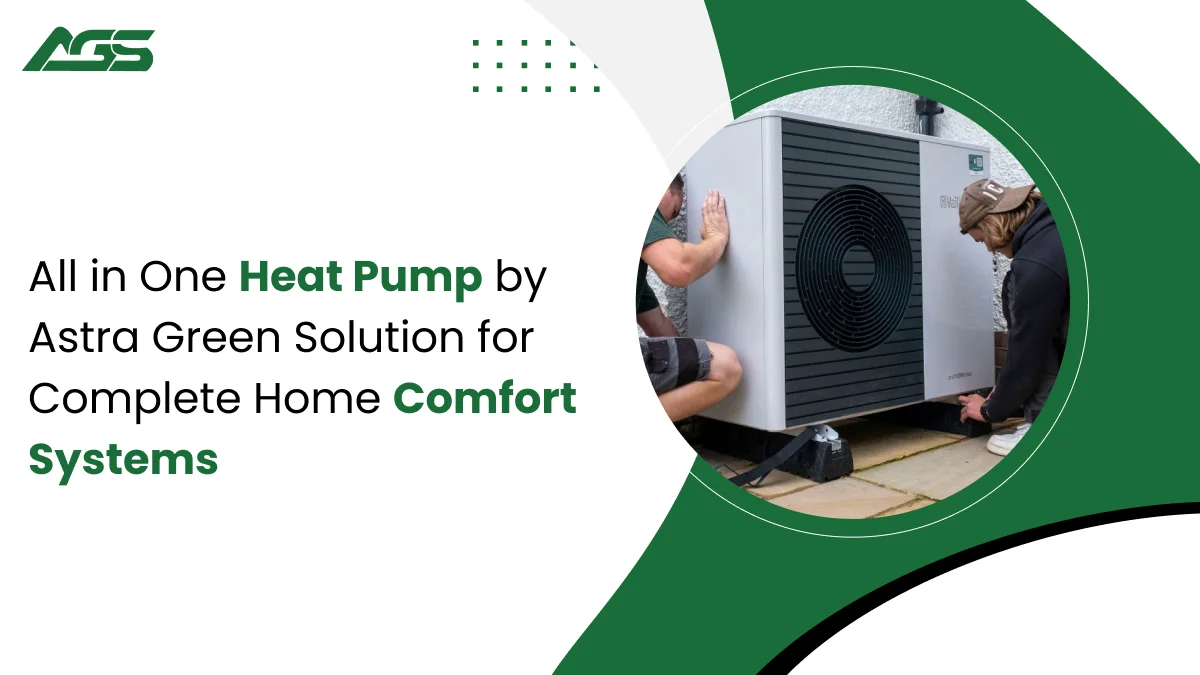
A well-designed home climate strategy usually starts with a central unit that handles heating and hot water requirements. One of the most efficient solutions for this purpose is the All in one heat pump. It replaces multiple traditional appliances by combining heating and domestic hot water production in a single compact system.
This type of setup reduces equipment clutter, improves energy usage, and creates a strong foundation for integrating additional cooling technologies. Instead of running separate systems for every function, the home operates from one efficient base unit that supports the rest of the HVAC structure.
Targeted Comfort for Individual Rooms
Not every room in a house requires the same level of cooling or usage pattern. Bedrooms, living areas, and offices often have different temperature needs depending on time of day and occupancy.
For this reason, a split system air conditioning service becomes a practical solution. It allows individual rooms to be cooled independently without affecting the rest of the home. This improves energy control because you only operate cooling where it is actually needed.
Split systems are especially useful in smaller homes or as supplementary cooling in larger properties where zoned comfort is required.
Flexible Multi Room Cooling Approach
When a home has multiple rooms that require separate temperature control, a multi split system becomes more efficient than installing multiple independent units. This system connects several indoor units to a single outdoor compressor, reducing external clutter and improving installation efficiency.
The advantage of this approach is centralized control with distributed comfort. Each room can maintain its own settings while still being powered by a single external unit, making it both space-saving and energy conscious.
This setup works well in medium to large homes where different family members prefer different cooling levels.
Advanced Zoning for Large Properties
For larger homes or properties with complex layouts, basic split systems may not be sufficient. In such cases, advanced zoning becomes necessary to maintain consistent comfort without excessive energy consumption.
This is where vrf air conditioning systems play an important role. These systems intelligently regulate refrigerant flow based on demand, allowing precise temperature control in different zones of the house.
Instead of operating at full capacity all the time, VRF technology adjusts dynamically, which helps reduce energy waste while maintaining optimal comfort across multiple rooms or floors.
Whole Home Air Distribution System
Some homeowners prefer a completely hidden and uniform cooling solution that does not rely on visible indoor units. In such cases, duct-based solutions provide a clean and consistent airflow experience throughout the house.
A Ducted Air Conditioning System distributes conditioned air through concealed ducts, allowing every room to maintain the same temperature level. This creates a seamless indoor environment without visible wall-mounted units, which is ideal for modern architectural designs.
Ducted systems are often chosen for new builds or full-home renovations where aesthetics and uniform comfort are equally important.
How These Systems Work Together in Real Homes
The most effective modern HVAC design is not about choosing one system over another, but about combining them strategically. A central heating solution provides baseline efficiency, while cooling systems handle room-specific requirements.
For example, the heating and hot water demands are managed by a central unit, while cooling is distributed using a mix of split, multi-zone, VRF, or ducted systems depending on the property layout.
This layered structure ensures that no system is overworked and every part of the home receives appropriate climate control.
Energy Efficiency through System Coordination
One of the biggest advantages of combining multiple HVAC technologies is improved energy efficiency. Instead of running one oversized system that consumes more electricity, each unit operates within its optimal range.
When systems are properly balanced, energy waste is reduced significantly. Heating is handled efficiently at the source, while cooling is distributed only where required. This reduces unnecessary load on any single component.
Over time, this approach leads to lower operating costs and better long-term system performance.
Smart Planning for Future Ready Homes
Homes built today need to be ready for future energy standards and technology upgrades. HVAC systems are increasingly becoming smarter, with better automation and integration capabilities.
A well-planned system allows easy upgrades without replacing the entire setup. Whether it is adding new cooling zones or upgrading efficiency levels, modular HVAC design ensures long-term flexibility.
This is especially important as energy regulations become stricter and efficiency expectations continue to rise.
Choosing the Right Combination for Your Home
Selecting the right HVAC combination depends on several factors including home size, insulation quality, number of rooms, and usage patterns.
Smaller homes usually benefit from simpler setups, while larger properties require layered systems to manage different zones effectively. Budget also plays a role, but focusing only on initial cost can lead to higher long-term expenses if the system is not designed properly.
The goal is to create a balanced environment where comfort, efficiency, and flexibility work together without unnecessary complexity.
Building a Balanced Climate Ecosystem
Instead of treating heating and cooling as separate systems, modern homes benefit more from viewing them as a unified ecosystem. Each component contributes to overall comfort in a specific way.
The key is coordination. When heating, cooling, and air distribution systems are properly aligned, the result is a stable indoor environment that adjusts automatically to user needs and external weather conditions.
This approach not only improves comfort but also extends the lifespan of equipment by reducing unnecessary strain.
Final Perspective
A modern home climate strategy is no longer about installing a single appliance and expecting it to handle everything. It is about designing a structured system where multiple technologies support each other.
By combining efficient heating with flexible cooling solutions, homeowners can achieve better comfort, lower energy consumption, and long-term reliability. The future of residential HVAC lies in integration rather than isolation, and homes that adopt this approach early will benefit the most in terms of performance and savings.
